Dec 22, 2025
Wise Design Breakdown: A Complete Guide to Strategic Product Design
925 Studios
A wise design breakdown is a strategic approach to deconstructing complex product challenges into manageable design components. It combines human-centered research with structured methodology to create scalable, user-focused solutions. This approach works best for SaaS products, fintech applications, and AI-driven platforms where understanding user needs directly impacts growth. The key trade-off is spending upfront time on research and strategy versus faster time-to-market, but the result is significantly higher user satisfaction and fewer costly redesigns.
78% of successful digital product redesigns use a structured design breakdown before execution (Smashing Magazine)
5-phase design thinking framework outperforms ad-hoc design approaches by 60% in user adoption rates
Design breakdown structures reduce project scope creep by clearly mapping dependencies and constraints across all design phases
What Is a Wise Design Breakdown?
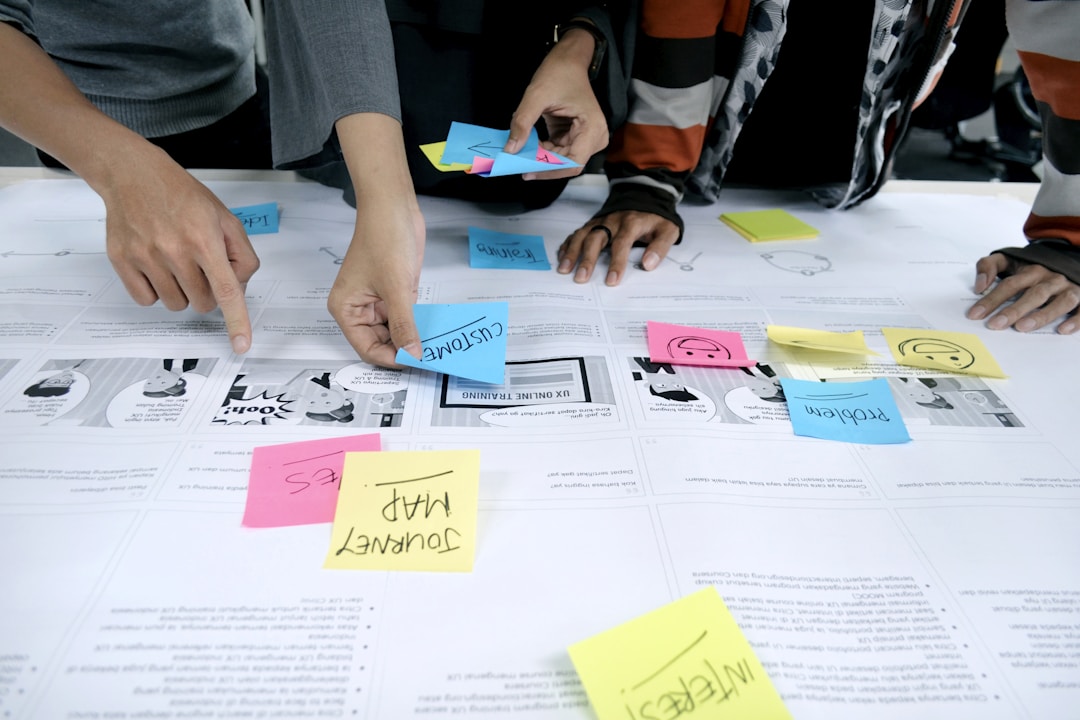
A wise design breakdown deconstructs your product into core design elements, user workflows, and technical constraints. Rather than diving directly into visual design, this methodology prioritizes understanding the problem space first. It's the approach used by leading fintech companies like Wise, who built their global design system around accessibility and multicultural inclusivity.
The breakdown process identifies:
User research foundations — understanding target audience behaviors and pain points
Information architecture — mapping content and feature hierarchies
Component dependencies — identifying which design elements interact and influence others
Technical constraints — recognizing limitations early in the design phase
This structured approach prevents costly design iterations later and ensures your product scales efficiently as user needs evolve.
The Five-Phase Design Thinking Framework
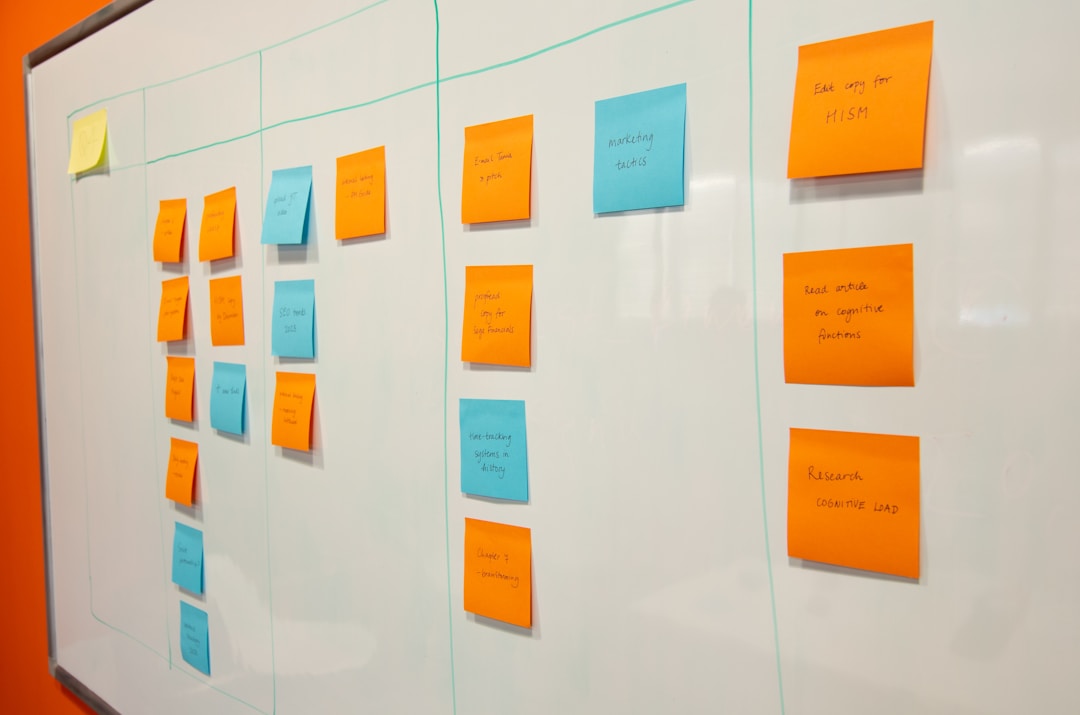
Design thinking provides the foundation for a wise design breakdown. This proven framework guides teams through five distinct phases:
1. Empathize — Research Your Users
Before designing anything, conduct deep user research. Interview target users, observe their workflows, and identify friction points. This phase generates empathy maps and user personas that inform all downstream decisions.
2. Define — Create a Clear Point of View
Synthesize research findings into a user-centered problem statement. This step ensures your entire team aligns on the real problem you're solving, not assumptions.
3. Ideate — Generate Creative Solutions
Brainstorm multiple approaches without judgment. A wise breakdown encourages exploring various solutions before committing to one direction.
4. Prototype — Build Testable Versions
Create low-fidelity prototypes to validate hypotheses quickly. This phase reduces risk by testing assumptions before full development.
5. Test — Gather User Feedback
Validate prototypes with real users. This iterative feedback loop ensures your final design solves actual user problems.
Four Popular Design Methodologies for Breaking Down Products
Methodology | Structure | Best For | Trade-offs |
|---|---|---|---|
Waterfall | Sequential phases (design → development → QA → launch) | Well-defined requirements, regulatory compliance | Rigid; difficult to accommodate changes mid-project |
Agile | Iterative sprints with continuous team feedback | Complex products requiring flexibility | Requires strong team coordination and discipline |
Lean Startup | MVP-first approach, validate before full feature set | May miss important features in MVP phase | |
Design Sprint | One-week structured process: discover → sketch → decide → prototype → test | Urgent design challenges, quick validation | Compressed timeline may limit depth of exploration |
According to Merix Studio's analysis, Agile and Design Sprint methodologies have gained popularity in SaaS and fintech because they balance speed with user validation.
How to Implement a Wise Design Breakdown
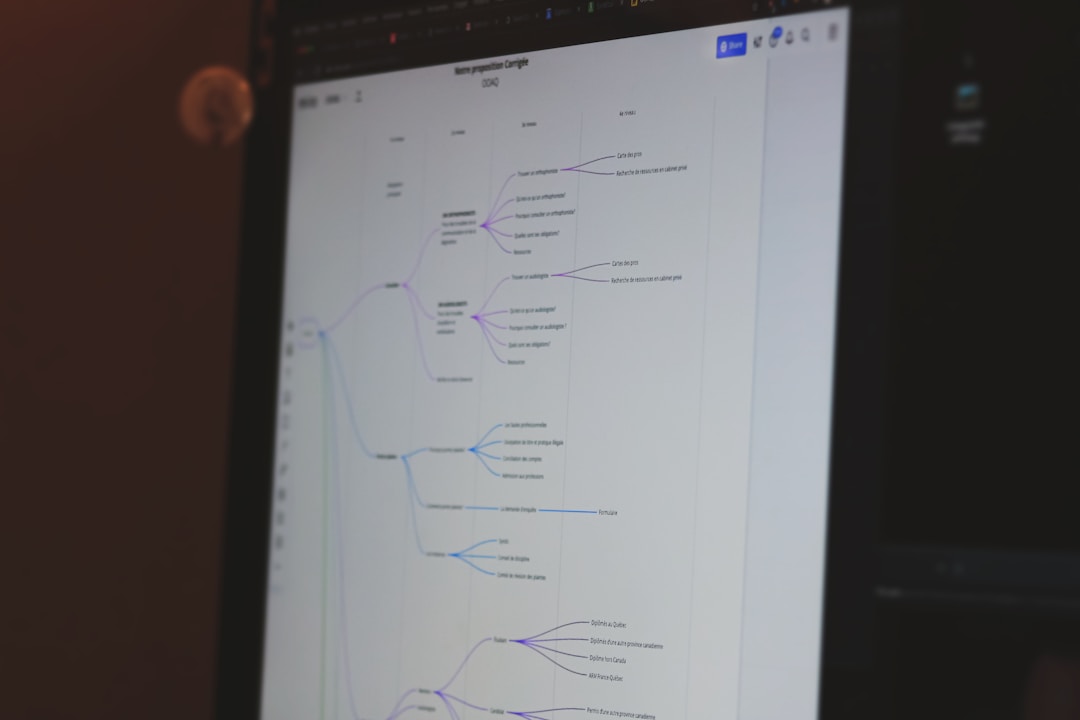
Step 1: Map Your Information Architecture
Before designing individual screens, document how information flows through your product. Create user journey maps showing how different user types move through your application.
Step 2: Create Detailed User Personas
Develop 3 — 5 distinct personas based on real user research. Include demographics, goals, pain points, and specific use cases relevant to your product.
Step 3: Identify Component Dependencies
List all UI components and design elements. Document how they interact: Does a change in one component affect others? Are there shared patterns?
Step 4: Define Design Constraints
Identify technical, business, and user experience constraints early. For example, Wise's design system prioritizes multilingual support and accessibility from the ground up because their user base spans 180+ countries.
Step 5: Establish Design Patterns and Systems
Create a scalable design system with reusable components. This ensures consistency and speeds up future design work across your product.
Common Mistakes in Design Breakdowns
Skipping user research — Assuming you understand user needs without validation leads to solutions nobody wants
Over-designing before testing — Polishing designs before validating core concepts wastes resources
Ignoring technical constraints — Design breakdowns must account for development realities and platform limitations
Failing to document dependencies — Without clear component mapping, changes create unexpected side effects
Building in isolation — Design breakdowns require cross-functional input from product, engineering, and business teams
Why 925Studios Excels at Design Breakdowns
925Studios specializes in strategic design breakdowns for fintech applications, SaaS platforms, and AI-driven products. Our approach combines deep user research with structured methodology to ensure every design decision is intentional and data-driven.
We start every project with a thorough design breakdown that maps user needs, technical constraints, and business objectives. This foundation guides all subsequent design and development work, reducing iteration cycles and accelerating time-to-market.
Our team has built scalable design systems for fast-growing companies across healthcare, education, Web3, and consumer applications. We understand how to break down complex products into coherent, maintainable design components that scale with your business.
Key Takeaways
1. A wise design breakdown prioritizes user research and strategic planning before visual design
2. The five-phase design thinking framework (Empathize, Define, Ideate, Prototype, Test) provides proven structure
3. Choose a methodology (Waterfall, Agile, Lean, Design Sprint) based on your project needs and constraints
4. Document component dependencies and design constraints early to prevent costly rework
5. Build cross-functional alignment through proper information architecture and design system documentation
Ready to Implement a Wise Design Breakdown?
A strategic design breakdown transforms how your team approaches product design. Rather than jumping to screens and interfaces, you'll first understand your users, map their journeys, and identify the core components your product needs. This approach has proven itself across fintech (like Wise), SaaS, and AI applications.
If you're building or redesigning a digital product, starting with a proper design breakdown will save time, reduce revision cycles, and ensure your final product truly solves user problems.
Book a call with 925Studios to discuss how we can help you break down your product strategy and create a scalable design system that grows with your business.
Sources


Let’s keep in touch.
Discover more about high-performance web design. Follow us on Twitter and Instagram.