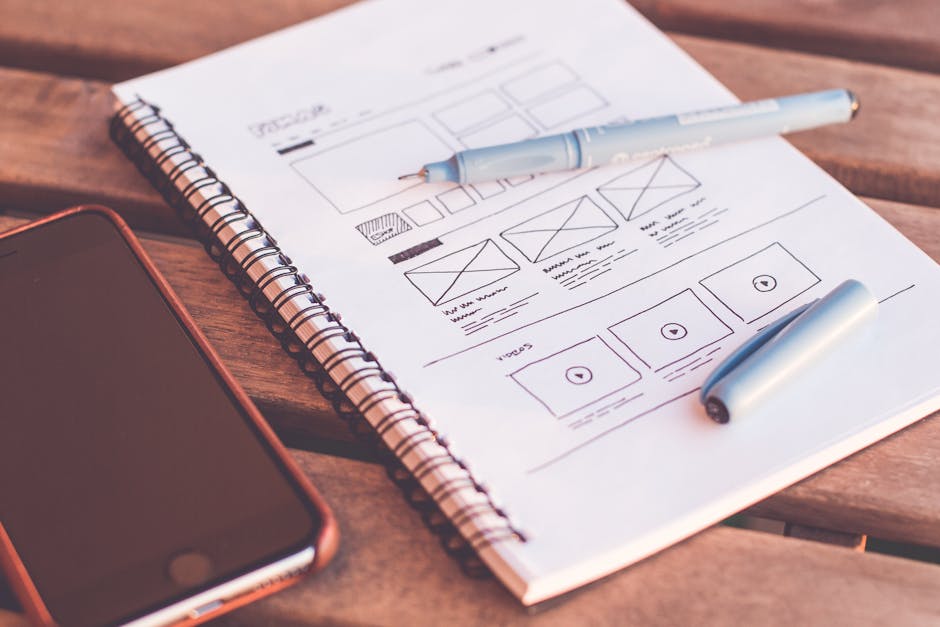
SaaS UX Design Cost in 2026: Full Budget Guide ($5K–$150K)
925studios
Creative agency for AI & Web3
SaaS UX Design Cost in 2026: Full Budget Guide ($5K–$150K)
Reviewed by Yusuf, Lead Designer at 925Studios
SaaS UI/UX design costs range from $6,000 for a lean MVP to $200,000+ for enterprise-grade product design with research, design systems, and multi-platform coverage. The most common bracket for funded startups is $15,000 to $60,000 for a core product design engagement (Onething Design, 2026). Every dollar invested in UX returns up to $100 in value according to long-standing Forrester research, making design one of the highest-ROI line items on a SaaS budget. But the spread between $6,000 and $200,000 is enormous, and knowing where your product fits is the difference between smart investment and wasted spend.
TL;DR:
MVP design: $6,000 to $35,000 covering core flows, basic research, wireframes, and polished UI
Full SaaS product design: $20,000 to $80,000 including dashboards, multi-role flows, and design system
Enterprise or growth-stage: $80,000 to $200,000+ for complex products with extensive research
Monthly retainers: $3,000 to $25,000/month for ongoing design support
US agency hourly rates: $50 to $200/hour, Eastern European teams: $50 to $90/hour for comparable quality
Quick Answer: SaaS UI/UX design costs $6,000 to $35,000 for an MVP, $20,000 to $80,000 for a full product design, and $80,000 to $200,000+ for enterprise-scale products. Most seed-stage SaaS startups spend $15,000 to $40,000 on their initial product design. Monthly retainers run $3,000 to $25,000. The biggest cost drivers are scope complexity, number of user roles, research depth, and whether you need a scalable design system.
What does SaaS UI/UX design cost by project type?
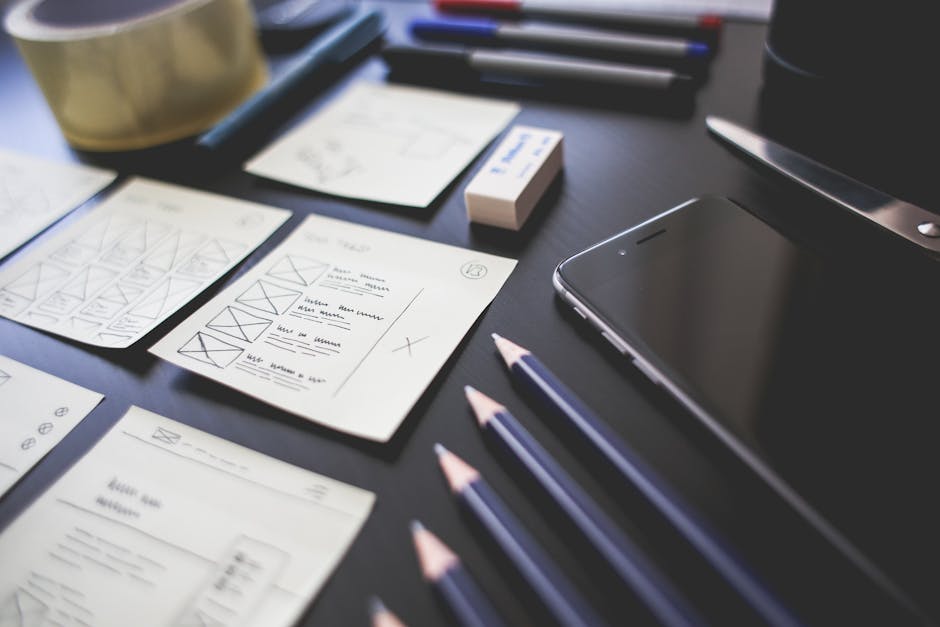
SaaS design costs vary dramatically based on what you are building. A single-feature tool with one user type is a fundamentally different project than a multi-role platform with dashboards, reporting, integrations, and admin controls. Here is the breakdown by common SaaS project types in 2026.
Project Type | Cost Range | Timeline | Includes |
|---|---|---|---|
MVP Design (core dashboard + 3-5 flows) | $6,000 - $35,000 | 4-8 weeks | Core user flows, wireframes, high-fi UI, basic handoff |
SaaS Product Design (full) | $20,000 - $80,000 | 8-16 weeks | Research, IA, all screens, design system, developer specs |
SaaS Redesign (existing product) | $20,000 - $60,000 | 6-12 weeks | UX audit, new IA, updated UI, migration plan |
Design System Only | $15,000 - $40,000 | 4-8 weeks | Component library, tokens, documentation, Figma kit |
Enterprise SaaS (complex) | $80,000 - $200,000+ | 12-20 weeks | Multi-role research, full product, design system, testing |
Monthly Retainer | $3,000 - $25,000/mo | Ongoing | Dedicated designer(s), feature design, iteration |
These ranges reflect 2026 market rates across US, UK, and premium Eastern European agencies. Offshore teams in Southeast Asia or India can deliver at 40% to 60% lower costs, though quality variance is higher and communication overhead adds hidden costs. 925Studios has found that the sweet spot for most funded SaaS startups is the $20,000 to $50,000 range, which covers enough research to make informed decisions, enough screens to launch with confidence, and a starter design system that scales with you.
What factors drive SaaS design costs up or down?
Understanding what moves the price helps you control your budget without cutting the wrong corners. Seven factors account for 90% of the price variation between SaaS design projects.
1. Number of user roles and permissions
A single-role SaaS tool needs one set of screens. A platform with admin, manager, team member, and client roles needs separate flows, dashboards, and permission states for each. Products like Notion handle this with flexible workspaces. Products like HubSpot need entirely different interfaces per role. Every additional role adds 20% to 30% to your design scope.
2. Scope complexity and screen count
A 15-screen MVP is a different project than a 60-screen platform. But screen count alone is misleading. Five screens of complex data visualization cost more than twenty screens of simple forms. When scoping, focus on flow complexity and interaction density, not raw screen count.
3. Research and discovery depth
Skipping research saves $5,000 to $15,000 upfront. It costs $30,000 to $50,000 in rework when you discover users hate your information architecture three months after launch. Products like Linear and Figma invested heavily in understanding user workflows before designing anything. That research investment is why their UX feels intentional rather than assembled.
4. Design system requirements
A full design system with tokens, components, documentation, and developer handoff specs adds $15,000 to $40,000 to a project. But it pays for itself within 6 months by reducing design-to-development friction and ensuring visual consistency as your team grows. If you plan to have more than 2 developers working on the frontend, you need a design system.
5. Agency tier and location
Premium US agencies charge $150 to $250+ per hour. Strong Eastern European agencies like those in Ukraine, Poland, and Estonia charge $50 to $90 per hour for comparable senior talent (Orbix Studio, 2026). Remote-first agencies anywhere can offer rates 20% to 30% below their city-based competitors. The quality gap between tiers has narrowed significantly since 2023.
Not sure what scope you actually need? Book a free scoping call with the 925Studios team.
6. Prototyping and user testing
Static Figma screens cost less than interactive prototypes with micro-interactions and realistic data. Adding user testing (5 sessions minimum) adds $3,000 to $8,000 but catches problems before engineering starts. For any project above $20,000, include at least one round of prototype testing in your budget.
7. Timeline pressure
Rush projects cost 25% to 50% more. If you need a full SaaS design in 4 weeks instead of 10, the agency needs to pull senior designers from other projects and work overtime. Plan 8 to 12 weeks for a standard SaaS product design to get the best rates and quality.
How much should you budget for SaaS design at each funding stage?
Your funding stage determines your design budget more than anything else. Here is a practical framework based on what we see across client engagements at 925Studios and across the market.
Pre-seed ($5,000 to $15,000)
You need a functional MVP design that proves your concept to users and investors. Spend on core flow design and basic usability. Skip the design system, skip the animations, skip the edge cases. Products like Loom launched with a minimal interface that focused entirely on the core recording and sharing flow. Polish comes later.
Seed stage ($15,000 to $40,000)
You have validation and need to build a product that retains users and impresses during demos. This budget covers proper research, a complete set of screens for your core features, and a starter design system. Spend 20% on research, 60% on UI design, 20% on design system foundation. Amplitude and Mixpanel both went through this phase where the product went from "works" to "feels professional."
Series A ($40,000 to $80,000)
You are scaling and your product needs to support more users, more use cases, and more integrations. Budget for a comprehensive design system, multi-role interface design, and ongoing design support via retainer. Stripe invested heavily at this stage to build the design infrastructure that makes their product feel cohesive across dozens of surfaces.
Series B and beyond ($80,000+)
At this stage you likely have in-house designers and use agencies for specialized work: design system architecture, new product lines, accessibility audits, or strategic redesigns. Project-based engagements for specific initiatives are the norm.
Want to see what SaaS product design looks like at your budget level? Browse the 925Studios case studies.
How do SaaS design pricing models compare?
The pricing model affects your total cost as much as the scope does. SaaS companies typically choose between three models, each with clear trade-offs that matter for budget planning and cash flow management. Project-based pricing accounts for about 50% of agency revenue in 2026, while retainers make up 44% of billing, and hourly work covers the rest (Swydo, 2026). The right choice depends on your product maturity. Early-stage SaaS companies benefit from project-based pricing because it gives them a fixed cost for a defined deliverable. Growth-stage companies with continuous feature development get better value from retainers because the agency builds deep context about the product and ships faster over time.
Model | Best For | Pros | Cons |
|---|---|---|---|
Project-Based | MVPs, redesigns, defined scope | Fixed cost, clear deliverables, easy to budget | Scope creep risk, change requests cost extra |
Monthly Retainer | Ongoing product development | Priority access, faster delivery, deep context | Wasted if work volume dips, minimum commitment |
Hourly | Small tasks, consulting, audits | Maximum flexibility, pay only for time used | Unpredictable costs, no incentive for efficiency |
What are common budgeting mistakes for SaaS design?

Most SaaS founders make the same budgeting mistakes. Recognizing these patterns early saves you from learning them the hard way.
Budgeting for screens instead of flows
A quote for "30 screens" tells you nothing about the actual work involved. Five screens with complex state management, data tables, and conditional logic cost more than 15 simple form screens. Always scope by user flows and interaction complexity, not screen count. Products like Airtable have relatively few screen types but immense complexity within each one.
Skipping research to save money
Cutting the $8,000 research phase to save budget, then spending $30,000 redesigning screens that users could not navigate. Research is insurance against expensive rework. Every SaaS product that skips research ends up paying for it later through poor retention and activation metrics.
Not budgeting for post-launch iteration
Your design is not finished when it ships. The first month of real user data will reveal flows that need adjustment, screens that confuse people, and features that need simplification. Budget 15% to 20% of your initial design cost for the first 3 months of post-launch iteration.
Choosing the cheapest option
A $6,000 MVP design from an inexperienced freelancer often needs $15,000 of rework from a better agency. The cheapest quote is rarely the cheapest total cost. Check portfolios for SaaS-specific work, ask about their process, and talk to references before optimizing on price.
Need help estimating your specific SaaS design budget? Talk to the 925Studios team for a free scoping session.
How do you get the most value from your SaaS design budget?
Maximizing your design ROI comes down to five practical decisions that most founders overlook.
Prioritize ruthlessly
Design your core activation flow first, everything else second. If you have $25,000, spend $18,000 on the onboarding, dashboard, and primary workflow. Spend $7,000 on settings, account management, and secondary features. Users form their opinion of your product in the first 3 minutes. Make those 3 minutes flawless.
Invest in a starter design system early
A $5,000 to $10,000 starter design system (core components, spacing scale, color tokens) saves 30% to 40% on future design work because every new screen builds from established patterns. Vercel and Linear both built lean design systems early that scaled with them.
Choose an agency with SaaS portfolio depth
An agency that has designed 20 SaaS dashboards knows the patterns. They will not reinvent dropdown filters or table sorting because they have solved those problems before. You pay for their accumulated knowledge, not just their hours.
Bundle research with design
Research done by the same team that designs is cheaper and more effective than outsourcing research and design separately. The insights transfer directly into design decisions without a handoff document sitting unread.
Use retainers for ongoing work
After the initial project, switch to a retainer for ongoing feature design. Retainer rates are typically 15% to 20% lower than project rates because the agency has guaranteed revenue. You get cheaper design and faster delivery because they already know your product.
Yusuf walks through SaaS design budgeting strategies in detail on the 925Studios YouTube channel.
Frequently Asked Questions
How much does a SaaS MVP design cost?
A SaaS MVP design costs $6,000 to $35,000 depending on complexity. A lean MVP with 3 to 5 core flows and basic UI runs $6,000 to $15,000. A more polished MVP with research, proper design system foundation, and 10 to 15 screens costs $15,000 to $35,000. Most seed-funded startups land in the $15,000 to $25,000 range.
Is it cheaper to hire a freelance designer or an agency for SaaS?
Freelancers charge $50 to $150 per hour versus $100 to $250 for agencies. But agencies include project management, QA, and multiple skill sets. For an MVP, a strong freelancer is cost-effective. For anything above $20,000, an agency provides better accountability and broader expertise. The total cost difference is typically 20% to 30%, not the 2x gap that hourly rates suggest.
How long does SaaS product design take?
MVP design takes 4 to 8 weeks. Full product design takes 8 to 16 weeks. Enterprise-scale projects take 12 to 20 weeks. These timelines assume one round of client feedback per phase. Adding more stakeholders or approval layers extends the timeline by 30% to 50%. Speed depends as much on your team's decision-making as the agency's output.
Should I invest in a design system for my SaaS product?
Yes, if you plan to have more than one developer working on the frontend or expect to design more than 20 screens. A starter design system costs $5,000 to $15,000 and pays for itself within 6 months through faster development and visual consistency. Products that skip this step end up with inconsistent UI that erodes user trust.
What is the ROI of investing in SaaS UX design?
Every $1 invested in UX returns up to $100 in value (Forrester). For SaaS specifically, good UX directly impacts activation rate, retention, and expansion revenue. A 10% improvement in onboarding completion can mean 15% to 25% more activated users, which compounds into significantly higher ARR. Products like Slack and Dropbox attribute much of their early growth to UX-driven activation optimization.
How much does a SaaS redesign cost versus building from scratch?
A redesign typically costs 60% to 80% of a from-scratch design because you are starting with existing user data, content, and features. A redesign for a medium SaaS product runs $20,000 to $60,000 versus $30,000 to $80,000 for new design. The savings come from not needing full discovery research and having existing user flows to evaluate and improve rather than create.
What should I look for in a SaaS design agency's portfolio?
Look for SaaS-specific projects with dashboards, data tables, multi-step flows, and role-based interfaces. Generic portfolios full of marketing sites and mobile apps do not demonstrate SaaS competency. Ask to see before-and-after metrics from their work. Good SaaS agencies can show activation rate improvements, reduced time-to-value, or decreased support tickets from their redesigns.
Can I phase my SaaS design investment over time?
Absolutely. Phase 1: core flows and MVP design ($10,000 to $20,000). Phase 2: secondary features and design system ($10,000 to $20,000). Phase 3: optimization based on user data ($5,000 to $15,000 retainer). This approach spreads cost, reduces risk, and lets real user data inform later design decisions. Most successful SaaS products are designed iteratively, not all at once.
Working on a SaaS product? Talk to the 925Studios team -- 925Studios will audit your UX and show you exactly what is killing your activation.
If you are building a product and want a second opinion on your UX, talk to 925Studios. 925Studios works with SaaS, fintech, healthtech, web3, and AI startups.
See the 925Studios work or book a free 30-minute call.
Follow 925Studios on Instagram and YouTube for design breakdowns and case studies.

Let’s keep in touch.
Discover more about high-performance web design. Follow us on Twitter and Instagram.