
Jan 3, 2026
How to Choose a UX Agency for SaaS: A Complete Guide for 2025
925 Studios
The right UX agency transforms your SaaS product into a user-centered experience that drives growth. 925Studios specializes in designing high-performing SaaS applications that increase activation rates and feature adoption. When evaluating agencies, prioritize SaaS-specific portfolio experience, a structured design methodology, and demonstrated outcomes like 40% conversion improvements and faster time-to-value. Look for teams that understand your target industry (fintech, healthtech, AI tools) and can design multi-role dashboards, onboarding flows, and retention-focused interfaces. Most high-quality SaaS UX engagements span 6–12 weeks and cost $15K–$75K depending on scope.
Why Choosing the Right UX Agency Matters for SaaS
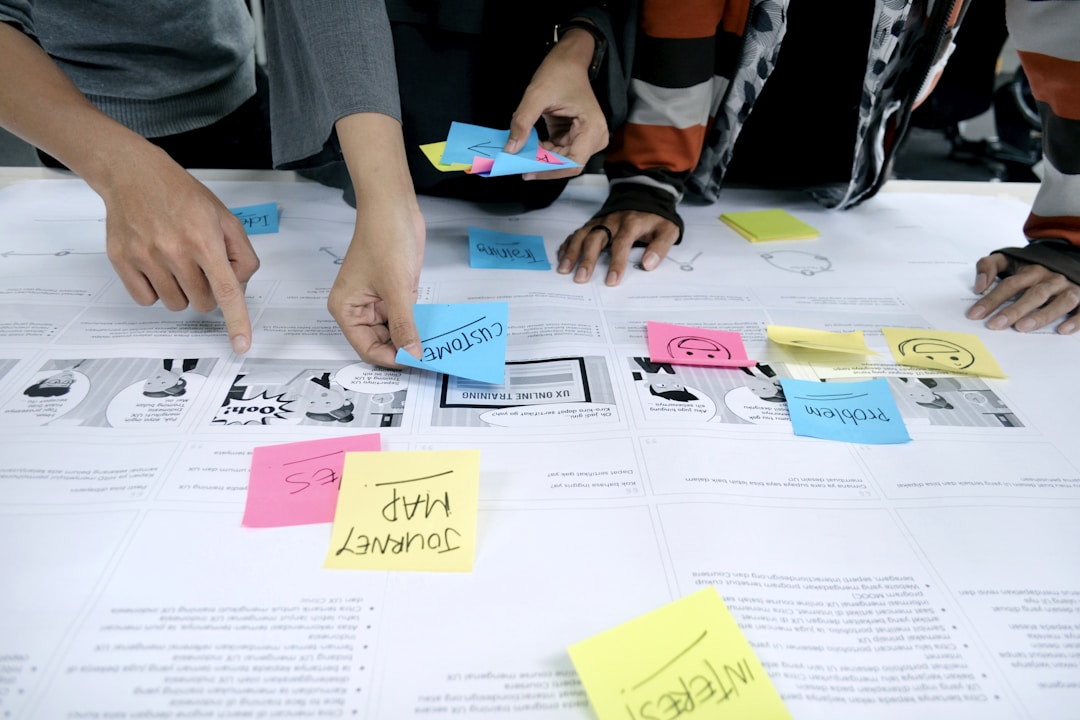
According to industry research, 88% of users won't return to a website after a bad user experience. For SaaS companies, this is critical — your product's UX directly impacts activation rates, feature adoption, and customer retention. A poorly designed onboarding flow can leave new users confused; a confusing dashboard can reduce engagement among existing customers.
SaaS UX design is fundamentally different from web design or e-commerce. Your users interact with your product repeatedly, often with specific workflows and roles. They need clear information hierarchies, task-focused interfaces, and intuitive navigation. This requires an agency that understands SaaS metrics, user psychology, and the unique challenges of designing for power users, admins, and end-users simultaneously.
Investing in expert UX design isn't just about aesthetics — it's about driving measurable business results: faster activation, higher feature adoption, reduced churn, and ultimately, more revenue.
Key Criteria for Evaluating SaaS UX Agencies
1. SaaS-Specific Portfolio Experience
Start by reviewing an agency's portfolio, but look beyond the visuals. Specifically, examine their SaaS projects:
Dashboard designs with multi-role permissions and data visualization
Onboarding and setup flows that guide users through activation
Account management and billing interfaces
Feature discovery and in-app guidance systems
Be cautious of agencies whose portfolios are dominated by marketing websites or e-commerce projects. SaaS design requires depth in enterprise workflows, and you need proof they've tackled similar challenges.
2. Understanding of SaaS Metrics and Business Goals
A great SaaS UX agency speaks your language. During discovery conversations, they should ask about:
Your activation rate and time-to-value metrics
Feature adoption challenges and which features users struggle with
Churn reasons and retention pain points
User personas and their distinct workflows
They should demonstrate knowledge of SaaS metrics like activation rate, feature adoption, engagement, and retention — not just visual design trends. Strong agencies target measurable outcomes like conversion improvements, user activation rates, and feature adoption.
3. Industry-Specific Domain Knowledge
SaaS spans diverse industries, each with unique user expectations and regulatory requirements:
Fintech: Users expect security, clear transaction clarity, and compliance-compliant interfaces
Healthtech: HIPAA compliance, patient privacy, and accessible design for diverse age groups
AI Tools: Clear prompting interfaces, output visualization, and iterative refinement flows
Martech & HR Tech: Integration workflows, data sync clarity, and campaign or employee management hierarchies
Prioritize agencies with track records in your specific niche. They'll anticipate user expectations and regulatory nuances you might miss.
4. Design Process & Methodology
Request clarity on their design process. A robust SaaS UX methodology includes:
Discovery & research phase (user interviews, competitor analysis, analytics review)
Strategy documentation (user personas, journey maps, design principles)
Wireframing and prototyping with stakeholder feedback
High-fidelity design and design system creation
Usability testing and data-driven iteration
Handoff documentation for development teams
Avoid agencies offering unrealistic timelines or "one-size-fits-all" solutions. Quality SaaS design requires proper research and iteration phases.
5. Cross-Functional Team Composition
The best SaaS UX outcomes come from teams with diverse skills. Look for agencies offering:
UX Researchers: Validate designs with users before development
Product Strategists: Align design with business goals
UI Designers: Create beautiful, cohesive visual systems
Interaction Designers: Design responsive, accessible interfaces
Design Systems Specialists: Build scalable component libraries
Front-end Developers: Ensure technical feasibility and smooth handoff
Cross-functional teams catch issues early, reduce rework, and ensure your design is both beautiful and buildable.
6. Communication and Collaboration
During initial conversations, assess how an agency communicates:
Do they ask thoughtful questions about your users, competitors, and business model?
Can they explain complex concepts clearly?
Are they flexible in handling feedback and iteration?
What's their typical feedback loop — weekly check-ins, bi-weekly reviews?
How do they handle disagreements or scope changes?
Poor communication leads to misaligned expectations, scope creep, and disappointing outcomes. Strong agencies are transparent, collaborative, and responsive.
Questions to Ask Potential SaaS UX Agencies

Before committing, ask these questions:
Question | Why It Matters |
|---|---|
Can you show examples of SaaS projects you've redesigned? What were the measurable outcomes? | Validates SaaS experience and results orientation. Conversion improvements, activation lifts, and retention gains prove impact. |
What's your approach to discovery? How do you understand our users and business? | Shows whether they invest in research or jump straight to design. Research-driven agencies produce better outcomes. |
How do you approach design systems for scalability? | Critical for growing SaaS products. Strong agencies build systems that your team can maintain and extend. |
What's your process for testing designs with real users? | Usability testing reduces risk of launching designs users don't understand or can't navigate. |
How do you handle the handoff to development? Do you provide component documentation? | Poor handoffs lead to design debt and feature creep during development. Clear documentation prevents rework. |
What's your typical engagement timeline and cost structure? | Clarifies expectations and budget. Typical SaaS UX engagements range from 6–12 weeks and $15K–$75K. |
Red Flags: What to Avoid

Generic portfolios: Limited SaaS examples or portfolios dominated by marketing websites and e-commerce sites
Unrealistic promises: Agencies guaranteeing specific conversion lifts or claiming all projects deliver 40% improvements without understanding your context
No discovery phase: Jumping straight to design without understanding your users, competitors, or business metrics
One-size-fits-all approach: Using the same design playbook for fintech, healthtech, and AI tools without customization
Weak communication: Unresponsive, unclear, or dismissive of your input and feedback
No measurable outcomes: Can't articulate how their designs impact activation, adoption, or retention metrics
Design without strategy: Beautiful work that doesn't align with your business goals or user needs
How to Evaluate Agency Proposals and Case Studies
When reviewing proposals and case studies, apply these evaluation criteria:
Project Scope & Context
Does the case study clearly explain the problem they solved? Look for context like "user activation was 18%, and we redesigned onboarding to reduce time-to-value from 45 minutes to 12 minutes." Generic case studies without context don't prove capability.
Design Process Visibility
Great case studies show the journey: research insights, wireframes, iterations, usability testing results, and final design. If they skip straight to pretty screenshots, be cautious.
Measurable Outcomes
The best case studies quantify impact:
Conversion rate improvements (e.g., 40% lift)
Feature adoption increases (e.g., 60% of users adopt new dashboard)
Activation time reduction (e.g., from 30 min to 8 min)
Retention gains or churn reduction
Team Composition & Credentials
Does the case study mention the team? Are designers credentialed? Have they won industry awards? Team quality often correlates with outcome quality.
Why 925Studios is Your Partner for SaaS UX
925Studios specializes in designing world-class UX for B2B SaaS, AI startups, fintech, and healthtech products. Founded in 2022, we've partnered with startups and enterprise teams to ship high-performing digital experiences under one roof — blending strategy, UX thinking, and premium visual design.
Our approach:
Deep SaaS expertise: Portfolio of fintech dashboards, AI tool interfaces, healthtech compliance workflows, and martech integrations
Research-driven process: We validate every design decision through user interviews, competitive analysis, and usability testing
Measurable outcomes: We track activation rates, feature adoption, and user retention — and design specifically to improve them
Design systems: We build scalable systems that your internal team can maintain, avoiding vendor lock-in
Full-service capability: Strategy, UX/UI design, prototyping, and handoff documentation — all in one team
Industry-specific design: We understand fintech security, healthtech compliance, AI/ML visualization, and e-commerce checkout flows
Whether you're launching a new SaaS product, redesigning your existing interface, or building a scalable design system, 925Studios brings both strategic thinking and craft excellence to your project.
Key Takeaways
Prioritize agencies with proven SaaS portfolio experience — especially in your target industry (fintech, healthtech, AI, etc.)
Evaluate agencies on their understanding of SaaS metrics: activation rate, feature adoption, retention, and time-to-value
Look for a structured design process that includes discovery research, strategy, prototyping, usability testing, and design systems
Ask for measurable outcomes from past projects — conversion improvements, activation lifts, and retention gains prove impact
Assess team composition: UX researchers, product strategists, UI designers, and front-end developers working collaboratively
Trust agencies that ask thoughtful questions about your users and business before proposing solutions
Red flags include generic portfolios, unrealistic promises, and no discovery phase
Typical SaaS UX engagements span 6–12 weeks and cost $15K–$75K depending on scope
Ready to Transform Your SaaS UX?
925Studios is ready to partner with your team. We've helped dozens of SaaS companies increase activation rates, improve feature adoption, and build scalable design systems. Book a call with our team to discuss your project, timeline, and goals. Let's design the SaaS experience your users deserve.
Sources

Let’s keep in touch.
Discover more about high-performance web design. Follow us on Twitter and Instagram.

